Deb is a professional, confidential, executive coach who provides executive leadership assessments, including 360 leader feedback, as well as coaching. When needed, Deb offers counsel and thought partnership on the topics of strategic planning, organizational change, senior team development and more.
Deb draws on her 25 years of organization development expertise with large, complex organizations as well as agile, entrepreneurial businesses.

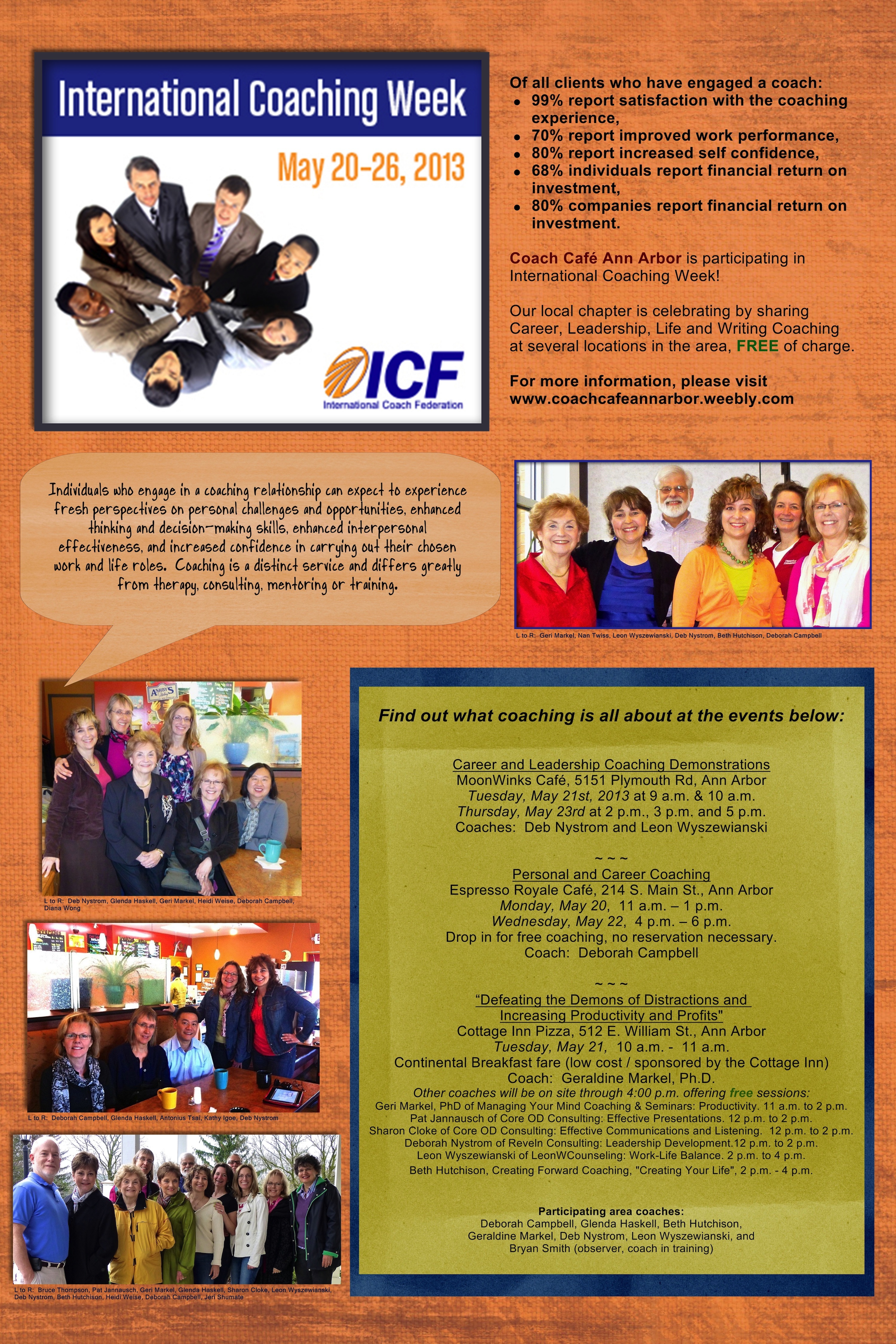
Deb is a BCoach and Coach2 Leadership University graduate, a coaching program affiliated with the International Coaching Federation (ICF.) She convened Coach Café Ann Arbor, a part of ICF Michigan, for four years, supporting the development and success of area professional coaches. She is also a Conversational Intelligence, C-IQ Enhanced Skills Coach, and also has InsideOut™ coach training.
In addition to Deb’s coaching expertise, Deb is also an experienced consultant (25+ years), a rarity among coaches. She is experienced as an intrapreneur & organization development facilitator having deep expertise in organizational systems, as well as technological skills to help you look at the context for your business, business and personal leadership and career growth in today’s continuously changing, social media influenced world.
Deb Nystrom

Deb is a certified provider of the Hogan suite of leadership [LEAD] development assessments. Hogan results are forward-looking featuring leaders’ strengths, potential de-railers, and values that can help in determining cultural fit and to help leaders become even better. Because the Hogan is validated based on reputation, it cannot be gamed or skewed. Hogan Assessment Systems is also a highly respected international company helping many organizations with talent recruitment and development. Deb’s offerings of Hogan tools include the LEAD series, tailored for leaders to develop potential, work through challenges, and understand values and motivators.
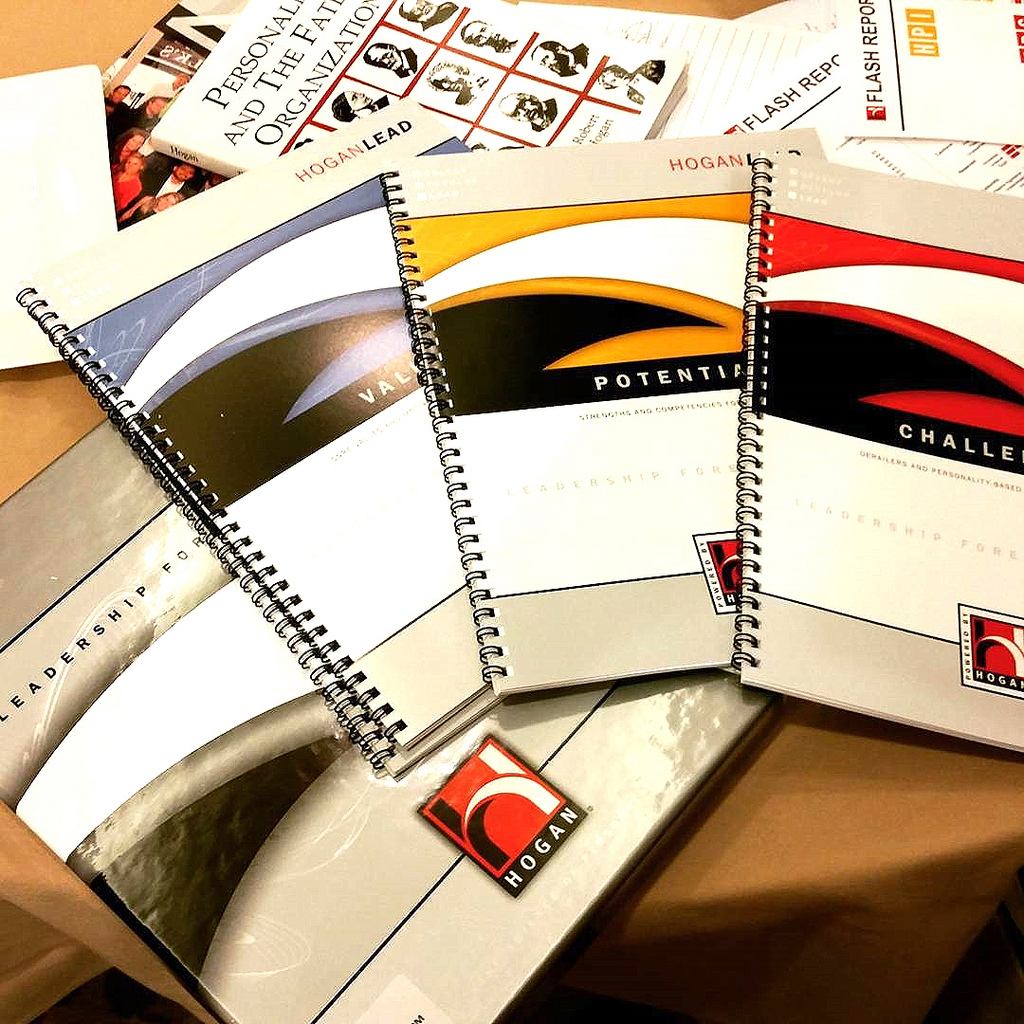
- The Hogan Personality Inventory (Potential – the HPI) describes normal, or bright-side personality – qualities that describe how we relate to others when we are at our best. The HPI was developed specifically for the business community. Through ongoing research and development, the HPI continues to be one of the leading instruments in the industry.
- The Hogan Development Survey (Challenge – the HDS) describes the dark side of personality – including derailers, qualities that emerge in times of increased strain and can disrupt relationships, damage reputations, and derail a leader’s chances of success. This tool helps you recognize and mitigate performance risks before they become a problem.
- The Motives, Values, Preferences Inventory (Values – the MVPI) describes personality from the inside – the core goals, values, drivers, and interests that determine what we desire and strive to attain. By assessing values, you can understand what motivates candidates to succeed, and in what type of position, job, and environment they will be the most productive.
Leaders who take the three (3) Hogan assessments receive a comprehensive set of their Hogan results, including two additional reports:
- The Hogan Flash Report, useful for sharing with others
Source: http://www.hoganassessments.com



The Neethling Brain Instrument (NBI™) is a source of reliable information on thinking preferences and the concepts of whole brain thinking. The NBI results include four quadrant brain profile as well as a second 8 Dimensions brain profile result providing insights into an individual’s thinking preferences. (Sample NBI profile pictured below.)

Developing better relationships, making more dynamic contributions in the team and making sound and relevant decisions are but a few of the advantages of understanding your own thinking profile.
NBI results are neither good nor bad. The NBI® provides a profile of thinking preference which is a descriptive, objective analysis of the individual’s thinking choices, with no profile being better or worse than another.
Key Coaching Principles & Approach
Deb centers her coaching approach on helping you develop and carry out RightAction™ – including 6 areas of focus oriented for reaching Right Results. In its simplest terms, Right Action exists when the…

- Right people are doing the
- Right things in the
- Right way at the
- Right time for the
- Right reasons in the
- Right space for the
- Right results.
Bringing “Right Action” to the surface is a key outcome in effective coaching.
Along with executive and leadership coaching, Deb also coaches teams. One unique feature of Deb’s individual and team coaching is her experience with horse-guided leadership team development in collaboration with Horseplay (Pitts – Aldrich) and Maple Ridge Farm and others. Find out more on Deb’s Horse Guided Coaching page which include a safety handout and an in-depth blog post.



Investment
Deb’s coaching fees are set on a scale referencing your organization position, budget and goals. Coaching benefits based on research:
- Return on investment (ROI) investment in coaching provide a timely result (such as $5000-20,000 more results) than not investing in coaching.
- Improved success in helping leaders in their current and/or desired job or role, supporting their sustained income, compared to no coaching, or goal attainment on their own
- Coaching reduces negative stress, increase the chances of financial sustainability and provides a quicker path to satisfaction and joy
Coaching articles by Deb include:
Selecting a Coach: Connect, Clarify and Commit & 10 Questions to Ask Your Prospective Coach (Includes a live interview of Deb by T.J. Wisner.
Using Jung to Clarify the Power of Introversion and Extroversion in Coaching – How to go beyond the limited labels to better understand and unlock your strengths

The white paper: The Business Case for Emotional Intelligence (EI) is available here. For example, below are 3 citations out of 19 business case research examples:
a. Experienced partners in a multinational consulting firm were assessed on the EI competencies plus three others. Partners who scored above the median on 9 or more of the 20 competencies delivered $1.2 million more profit from their accounts than did other partners – a 139 percent incremental gain (Boyatzis, 1999).
b. An analysis of more than 300 top-level executives from fifteen global companies showed that six emotional competencies distinguished stars from the average: Influence, Team Leadership, Organizational Awareness, self-confidence, Achievement Drive, and Leadership (Spencer, L. M., Jr., 1997).
c. In jobs of medium complexity (sales clerks, mechanics), a top performer is 12 times more productive than those at the bottom and 85 percent more productive than an average performer. In the most complex jobs (insurance salespeople, account managers), a top performer is 127 percent more productive than an average performer (Hunter, Schmidt, & Judiesch, 1990). Competency research in over 200 companies and organizations worldwide suggests that about one-third of this difference is due to technical skill and cognitive ability while two-thirds is due to emotional competence (Goleman, 1998). (In top leadership positions, over four-fifths of the difference is due to emotional competence.)
To find out more, contact Deb at DebNystrom@REVELN.com.
 Reveln Consulting